
Shares of United Airlines have traded slightly higher in recent weeks, benefiting from holiday travel and increased international bookings. This trend reflects growing investor confidence in the airline's operations.
An AI price-prediction model, powered by OpenAI's GPT, was used to generate a 60-day outlook for the stock. At the time of analysis, United traded at $114.39. The model's base-case projection through April 8 indicates an average predicted price of $116, implying a slight upward move over the next month.
Technical signals from the model show MACD and RSI both skewed positive. The model suggests the most likely path is a modest grind higher from current levels, rather than a dramatic shift. Broader AI price predictions indicate United could reach $245 by 2030.
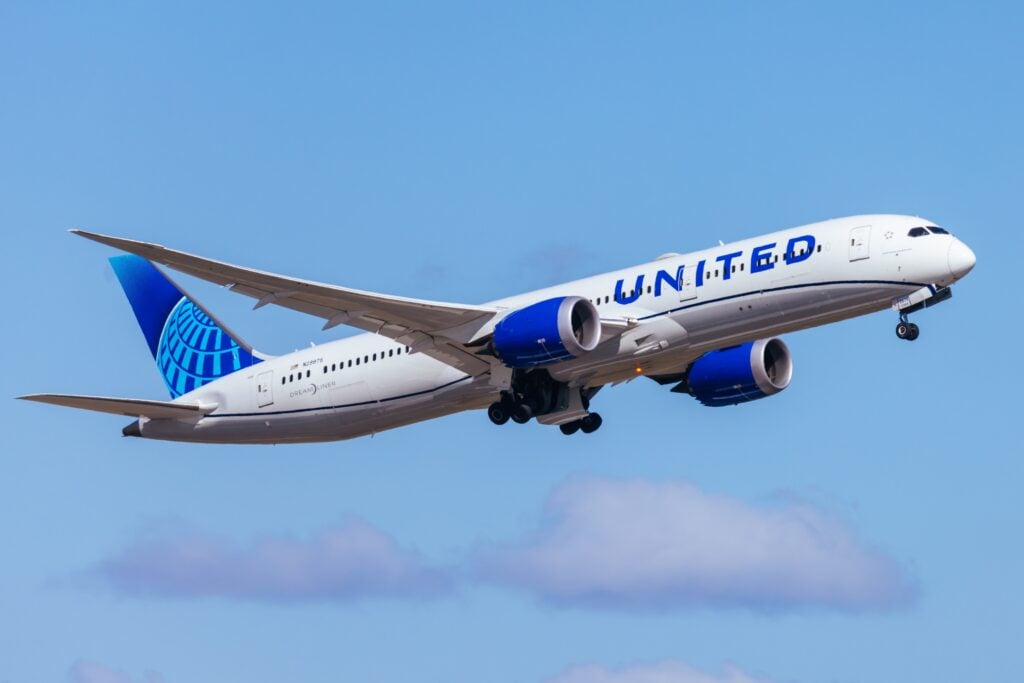
The short-term optimism is linked to United's execution of its "United Next" strategy, involving fleet upgrades. By replacing smaller regional jets with larger, more fuel-efficient narrow-body aircraft, the airline has improved per-seat economics.
A key driver for the predicted rise is United's expansion into international markets. For the summer 2026 season, the airline has announced new nonstop services to destinations including Split, Croatia, Bari, Italy, and Glasgow, Scotland. Positioning itself as the "clear flag carrier of the U.S." helps insulate it from domestic price competition.
MACD shows a bullish crossover with histogram expanding positively, while RSI in the 60s confirms upward bias without overheating. Recent breakouts from consolidation patterns align with volume spikes on expansion news, supporting model upside. Volatility related to fuel and earnings moderates the short-term trajectory.
Cost control remains a focus for United into 2026. Despite industry supply chain challenges, proactive maintenance schedules and a diversified supply chain have allowed the airline to maintain operational reliability.
The macro environment in early 2026 provides a tailwind for the travel sector, with stabilizing global GDP growth and easing inflation in key markets. Consumer mobility is projected to set new records this year.
Wall Street analysts maintain a Strong Buy consensus for United, with 12-month price targets clustering in the mid-$130s to mid-$150s. Some firms see upside into the high $160s if United maintains its dominant share in international travel. Median targets imply 15% to 20% upside from current levels.