
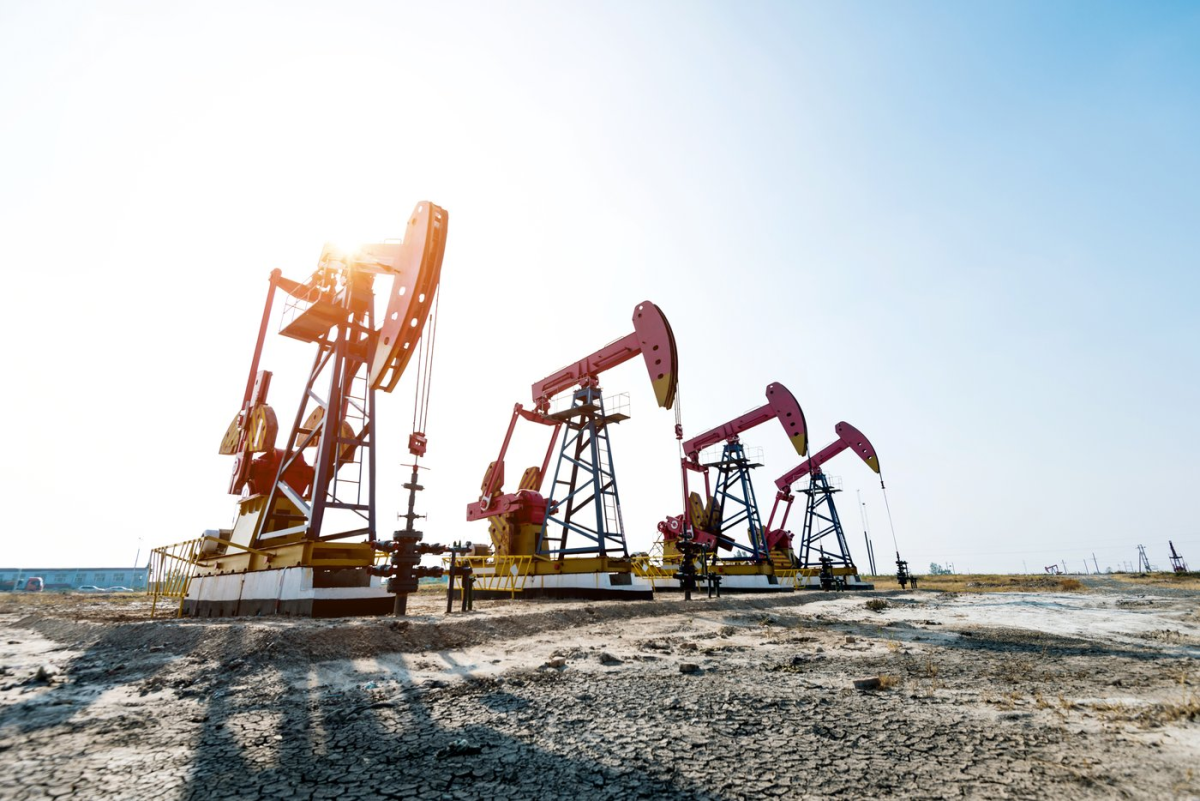
Crude oil and natural gas prices have declined and are expected to stay low in the near term. The U.S. Energy Information Administration forecasts crude oil prices will average around $55 per barrel this year and next, down from $69 in 2025.
BP, listed on the NYSE, has seen its stock price drop 15% from its early 2023 peak. This has increased its forward-looking dividend yield to 5.6%.
According to the International Energy Agency, peak oil consumption is now projected for 2050, aligning with OPEC and ExxonMobil's outlooks. BP continues to hold assets for ongoing oil demand.
The company is managing a shift toward renewable energy. BP has partnered with JERA Nex to develop offshore wind farms, aiming to eventually produce 13 gigawatts of power. Lightsource BP is working on solar power generation and storage for institutional clients.
BP recently announced a noncash impairment of $4 billion to $5 billion for its low-carbon business. The company stated this reflects the challenges of transitioning from fossil fuels to renewables.
BP's dividend payments are not always consistent. They can reset during periods of sharp crude price declines, as seen in 2010 and 2020.
The Motley Fool Stock Advisor identified 10 stocks for investors, excluding BP. The service highlighted past successes like Netflix and Nvidia, which generated significant returns after being recommended in 2004 and 2005 respectively.
Stock Advisor reports a total average return of 955%, compared to 196% for the S&P 500.