
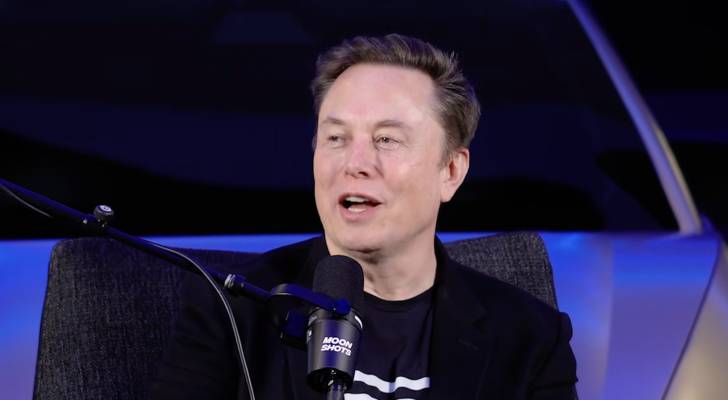
Elon Musk has sparked discussion on retirement savings, a topic many consider fundamental to financial security. On a recent podcast episode with Peter Diamandis, the Tesla and SpaceX CEO stated that traditional retirement saving could become "irrelevant" in the next decade or two, citing advances in artificial intelligence, robotics, and energy technologies. He claimed these developments would lead to an era of abundance.
Musk described a future where machines perform most work, goods and services are cheap and plentiful, healthcare and education are freely accessible, and a "universal high income" meets everyone's basic needs. In such a scenario, he said, worrying about setting aside money for retirement "won't matter." He acknowledged the transition might be "bumpy," potentially causing social unrest and a crisis of meaning as traditional work diminishes.
Musk's comments come as many Americans face retirement savings challenges. According to the Federal Reserve's Survey of Consumer Finances, almost half of U.S. households had no retirement savings in 2022, with only about a quarter having over $100,000 saved. AARP reports that one in five Americans aged 50 and older have no retirement savings, and more than half feel they won't have enough for a secure retirement. CNBC notes many workers acknowledge not saving enough or starting too late.
Financial planners typically recommend saving enough to replace a significant portion of pre-retirement income, often requiring hundreds of thousands or more than a million dollars, depending on individual circumstances. These targets exceed what most Americans currently have saved. Professionals caution that treating Musk's remarks as personal finance advice could be misleading, as no policy or economic structure currently guarantees universal income or eliminates scarcity soon.
Experts warn that messages suggesting retirement planning might become obsolete could encourage delaying savings or skipping employer matching plans, habits that risk long-term security. For workers managing expenses like inflation, student debt, housing, and healthcare, retirement can already seem distant. While technology has historically boosted productivity, there's no assurance advances will automatically create abundance for everyone on Musk's predicted timeline.
Financial advice generally emphasizes planning based on current conditions. Recommendations include contributing consistently to retirement accounts, especially with employer matches; building emergency funds; regularly reviewing savings goals; and staying informed about economic and technological trends. The approach is to prepare for today's world while remaining adaptable to potential future shifts.