
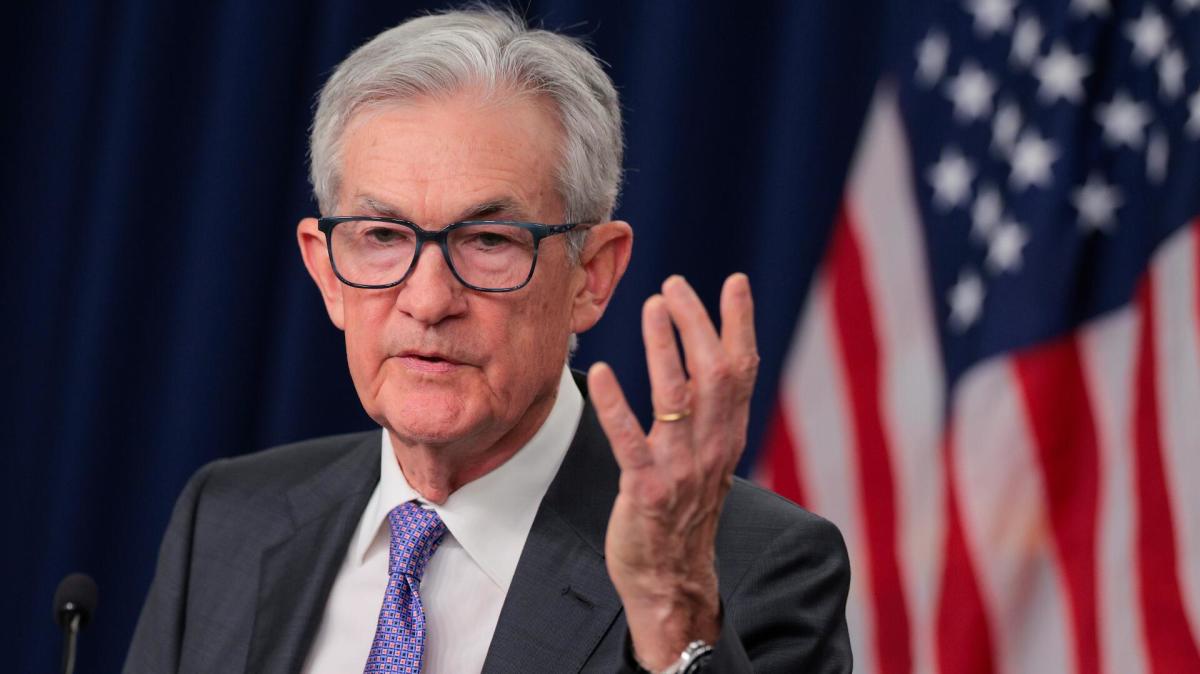
The Federal Reserve entered a pre-meeting blackout period on Saturday, January 17, silencing official commentary ahead of the January 28 FOMC meeting. Recent labor reports and inflation data have prompted a significant market adjustment, diminishing expectations for immediate interest rate reductions.
On Friday, several Fed officials made their last public appearances before the blackout. Boston Fed President Susan Collins introduced Michelle Bowman at an economic forum.
Fed Vice Chair for Bank Supervision Michelle Bowman stated, "With inflation pressures easing—after excluding one-off tariff effects—and with the risk that labor market conditions could weaken further, I see policy as moderately restrictive." Federal Reserve Vice Chair Philip Jefferson said, "I supported the FOMC's decisions to reduce the policy interest rate last year... This policy stance puts the economy in a good position moving forward."
Despite Bowman's dovish-leaning remarks, analysts view a January rate cut as improbable. Layoffs reported by Challenger, Gray & Christmas surged to 1.2 million in 2025, yet the unemployment rate declined last month, and recent unemployment claims figures came in surprisingly low.
New data indicating some labor market stabilization, combined with inflation remaining above the Fed's 2% target, suggests Chairman Jerome Powell is not expected to lower rates this month. This leaves potential borrowers awaiting relief.
The unemployment rate fell to 4.4% in December from 4.5% in November. Initial jobless claims reported Thursday totaled 198,000, well below economist forecasts of 215,000 and marking the lowest level since January 20, 2024.
December's Consumer Price Index showed inflation at 2.7%. The improving employment situation and persistent inflation have largely erased market expectations for a January rate cut. The CME FedWatch tool now places the probability of a cut this month at just 5%, down from 24% a month ago.
President Donald Trump's ongoing frustration with Powell's interest rate policies over the past year makes Powell's departure when his chair term ends on May 15, 2026, highly likely. Trump has not named a successor but has indicated a preference for a more dovish policymaker, having previously expressed a desire for rates to fall to 1%.
Last year, Trump appointed Stephen Miran to the Fed. Miran has called for 1.5% rate cuts in 2026, exceeding both the Fed's December projection of a 0.25% cut and market expectations for one or two quarter-point cuts this year.
Potential candidates to replace Powell include former Fed Governor Kevin Warsh and National Economic Council Director Kevin A. Hassett. On January 16, Trump suggested he might prefer to keep Hassett in his current role.
Whoever assumes the chairmanship may still serve alongside Powell, as his term as a Fed Governor lasts until January 31, 2028.