
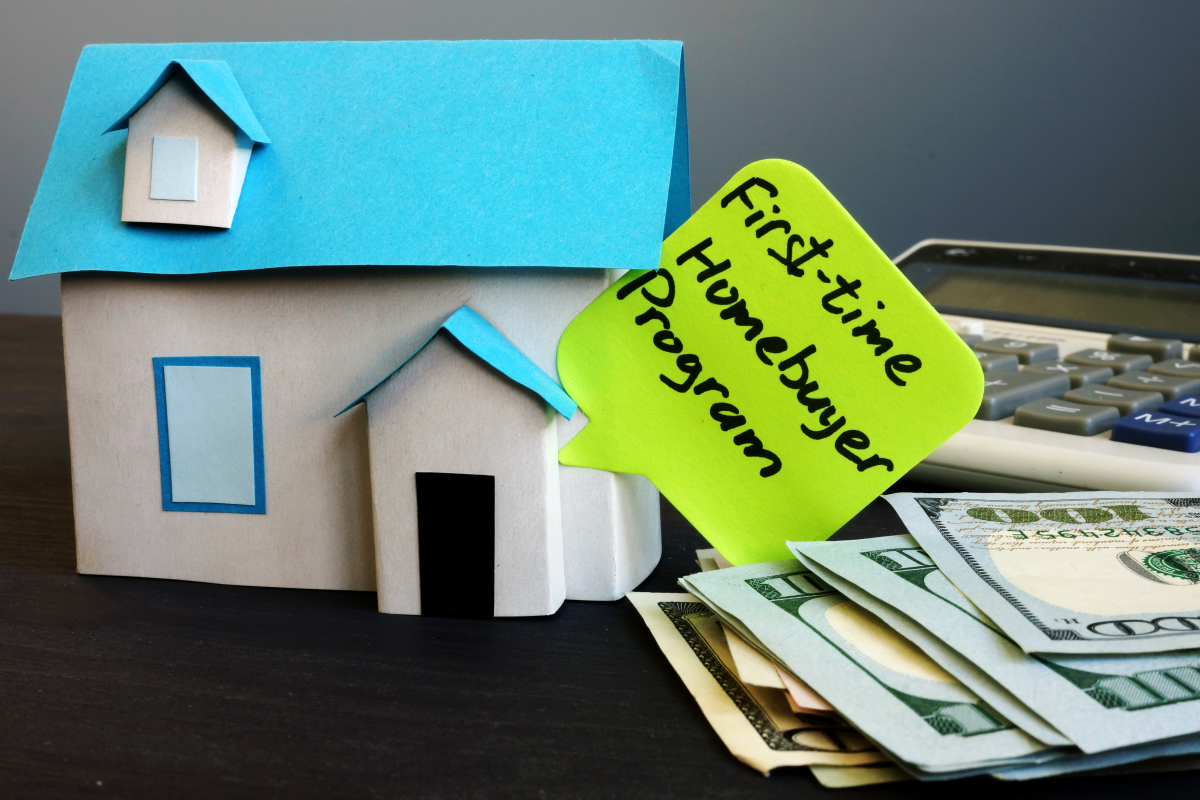
First-time home buyers entering the housing market in 2026 are advised to understand each step of purchasing a house, along with their loan options and exclusive benefits. Being prepared is crucial for those buying for the first time.
To qualify for special home buyer benefits, borrowers purchasing a single-family home as a primary residence are defined as "first-time home buyers" in one of three ways: they have never purchased a single-family home before, they haven't owned a home in the last three years, or they are displaced homemakers or single parents who have never owned a home other than jointly with a spouse in the last three years. Eligibility requirements typically include a steady household income and a manageable debt load.
The process of buying a first home involves several steps. First, determine how much house you can afford comfortably. Divide your gross monthly salary by four as a starting point for a target monthly payment, which should include principal, interest, property taxes, and homeowners insurance. Mortgage lenders often recommend that housing costs total around 28% of gross pay, known as the debt-to-income ratio (DTI). Closing costs, such as appraisal and home inspection fees, generally cost between 2% and 5% of the home's purchase price. For example, on a $500,000 home, closing costs range from $10,000 to $25,000. Ways to reduce these costs include comparing multiple lenders and negotiating directly.
Next, shop mortgage lenders. Over the last 10-plus years, more than 60% of home buyers shopped more than one lender, according to Fannie Mae research. Comparison shopping helps find the best rate and fees. When comparing lenders, look beyond the advertised annual percentage rate (APR) and consider mortgage origination fees and total closing costs. Comparing Loan Estimates from all lenders can uncover costs beyond the monthly payment.
Then, shop for a home by making a list of must-haves and attending open houses. Find a couple of contenders, with one to make an offer on and backup options. A buyer's agent handles making an official offer and negotiating counteroffers. With an offer in hand, get real-deal loan offers from lenders, asking for zero-discount-points offers to compare apples to apples. Once the offer is accepted and the loan approved, move forward with the home appraisal, inspection, and other steps before closing.
Three days before closing, receive an official Closing Disclosure form detailing mortgage interest and up-front fees. Then, signing day arrives, and you close on the house.
First-time home buyer perks for those buying in early 2026 include lower down payments and credit-score flexibility. While 20% down has been the historical goal, first-time buyers can make a minimum down payment of 3% of the home purchase price, with some lenders reducing it to 1%. Government and nonprofit programs provide closing costs and down payment assistance for teachers, first responders, Native American borrowers, public housing residents, and low- and middle-income households. Some programs involve loans or tax credits, while others offer grants that don't require repayment. The Department of Housing and Urban Development and state housing finance agencies offer resources, and some employers provide homeownership assistance.
Credit score breaks allow first-time buyers to get an FHA loan with a FICO credit score as low as 500 with 10% down, or a conventional loan with a score as low as 620. For a jumbo mortgage, a FICO 700 is needed, and a score of 760 or better is required for the most favorable interest rate. Home buyer education courses are also available to help understand the process.
Challenges for first-time buyers include mortgage rates, which are at their lowest point in over three years but still just over 6%, making existing homeowners with rates of 5% or lower unlikely to move. This worsens the 3.8 million-unit housing supply shortage, with Realtor.com estimating that a lack of affordable housing prevents 1.6 million Gen Z and millennial would-be buyers or renters from forming households. Home prices have risen drastically but are beginning to moderate. Saving for a down payment is stymied by recent high inflation, rising home prices, and lagging income growth.
Best types of mortgages for first-time buyers include FHA loans, which require a 580 credit score and 3.5% down payment (or 500 with 10% down) and allow a DTI ratio of up to 43%. VA loans for military personnel require no down payment. USDA loans for low-to-moderate-income buyers in rural areas also require no down payment. HomeReady and Home Possible loans allow mortgages with just 3% down and may not need a minimum qualifying credit score.
A 2024 report by the National Association of REALTORS® stated that the typical down payment for first-time home buyers in 2024 was 9%, compared to 23% for repeat buyers. An FHA loan is often the best option for many first-time buyers due to lower credit score and higher DTI acceptance. Benefits vary by lender, with some offering down payment assistance programs or lower down payments for first-timers. Some mortgage programs require first-time buyers to take educational courses, such as HomeReady and Home Possible.