
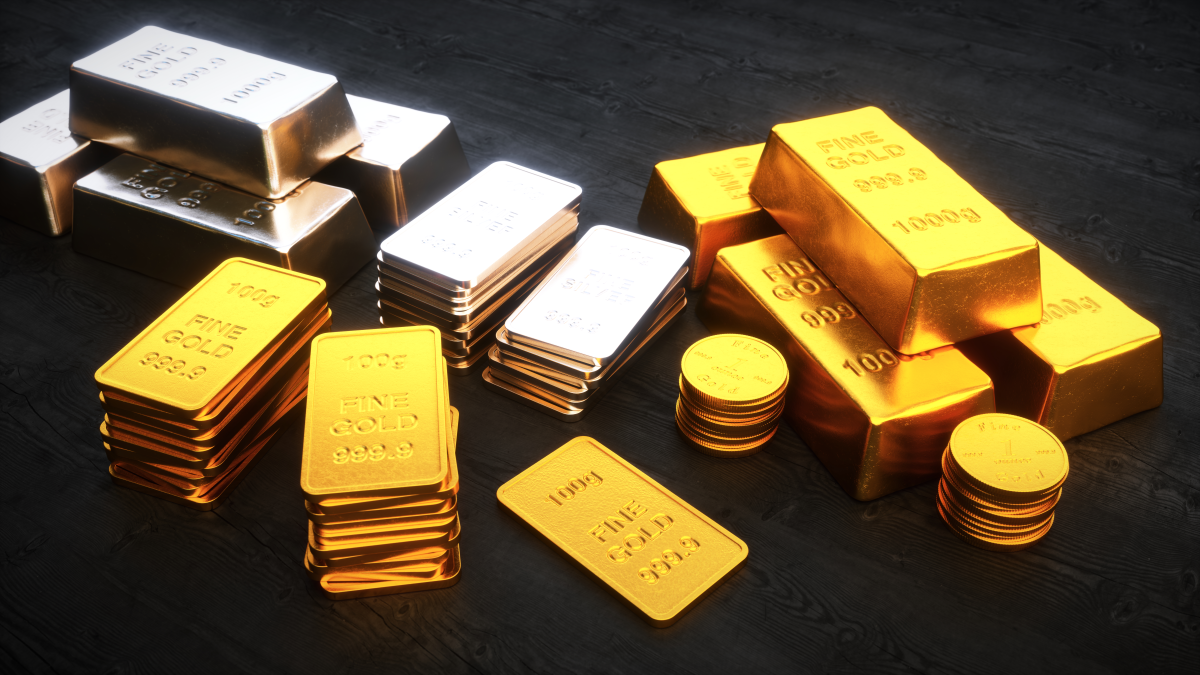
Gold and silver prices surged to new records on Tuesday. The rally followed President Trump's renewed threats to impose tariffs on European countries, linked to his pursuit of Greenland. Specific threats included potential 200% tariffs on French wine and champagne.
Gold futures rose above $4,700 per ounce. Silver jumped to $95 per ounce, continuing a months-long streak of record highs.
Robin Brooks, a senior fellow at the Brookings Institution, posted on X Tuesday morning. "The debasement trade is on fire and precious metals are the outlet," Brooks said.
Ole Sloth Hansen of Saxo Bank commented on Sunday. He stated the Greenland situation had added momentum to a rally building for months. This rally is driven by a macroeconomic and geopolitical backdrop unsettling for investors dependent solely on financial assets.
Factors behind the precious metals run include strong central bank demand for gold. Other factors are questions over Federal Reserve independence, increasing fiscal spending, U.S. intervention in Venezuela, and rising tensions with Iran.
For silver, the price leap from the low-$20 range last year to over $95 coincides with concerns about global supply failing to meet industrial demand. Craig Parry, CEO and Chairman of Vizsla Copper, spoke to Yahoo Finance. "What you're seeing, I think, is the upshot of 15 years of massive underinvestment in the supply side," Parry said.
"There is simply no way we can as a group of mining companies, as a space, keep up with the demand that's there, let alone the demand that's coming," Parry added. His company is building what will be Mexico's largest silver mine, aiming for 20 million ounces annually. However, Parry noted the current supply gap is around 200 million ounces.
The Silver Institute reports the industry has experienced a structural deficit for five years. China, a major refiner, started restricting silver exports this year, putting more upward pressure on prices. The country is prioritizing domestic supply for record-level use in solar panel production.
Hansen from Saxo Bank warned that silver rallies eventually face industrial demand destruction. Fabricators and end users may struggle with higher costs, reduce purchases, or find substitutes. "At prices around USD 90, it is likely that this process has already begun in parts of the supply chain," Hansen noted. "However, it does not happen overnight, and it rarely shows up immediately in headline demand data."
Hansen also pointed out that Western-listed silver ETFs have seen net outflows despite the price surge. This suggests significant current demand originates elsewhere, likely Asia—particularly China—or from leveraged trades rather than long-only Western investors.