
Goldman Sachs and Morgan Stanley reported robust fourth-quarter earnings on Thursday, capping off one of the strongest years for their investment banking businesses since the pandemic.
Goldman Sachs posted net income of $4.6 billion, or $14.01 per share, a 12% increase from the same period last year. Morgan Stanley's net income rose 18% to $4.4 billion, driven by a 47% jump in dealmaking revenue.
Goldman Sachs saw its equity trading fees reach a record high for the year. Fees from its markets unit increased 25% in the fourth quarter to $4.3 billion, while full-year trading rose 16% from 2024. The bank's M&A advisory business soared 41% to $1.36 billion compared to the fourth quarter of 2024, meeting analyst expectations.
Morgan Stanley achieved record full-year net revenues and net income. Its equities trading unit also generated fees surpassing all previous levels, with equity trading fees up 10% in the fourth quarter and 28% for the full year from 2024.
Revenue from Goldman Sachs' dealmaking fees jumped 25% to $2.57 billion, in line with analyst expectations. Full-year profits, dealmaking fees, and net revenues climbed to their second-highest level ever, only behind a boom in 2021.
Shares of both firms fell in premarket trading on Thursday.
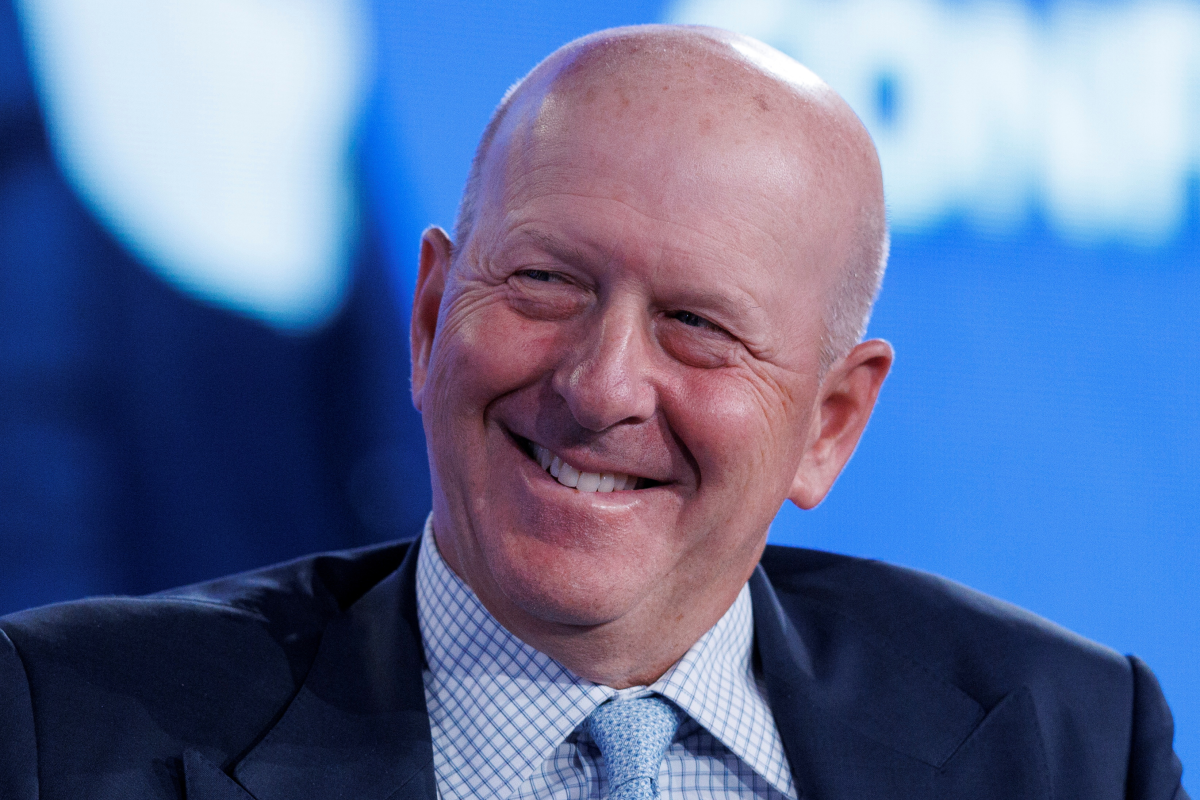
"We continue to see high levels of client engagement across our franchise and expect momentum to accelerate in 2026, activating a flywheel of activity across our entire firm," Goldman Sachs CEO David Solomon said in a statement.
"Our Institutional Securities business served as a trusted advisor to clients as investment banking activity accelerated and global markets remained strong," Morgan Stanley CEO Ted Pick said in a statement.
The dealmaking boom spread across Wall Street for most of 2025, but activity ebbed during the year's final quarter for some of these firms' top rivals.
On Tuesday, JPMorgan Chase reported that investment banking fees fell 4% from the year-ago period, missing analyst and bank expectations. JPMorgan CFO Jeremy Barnum cited "the timing of some deals that were pushed to 2026" as a factor.
"We're obviously optimistic on investment banking fees generally," Barnum told analysts on Tuesday, while CEO Jamie Dimon added that competition in dealmaking was "like trench warfare."
Bank of America's investment banking fees rose 1% from the year-ago period, exceeding Street expectations despite declines in equity underwriting and merger advisory services.
Wells Fargo's fees fell 1%, though the small but growing investment banking house still posted its highest full-year dealmaking revenue ever.
Citigroup reported a record fourth quarter, with revenue from its M&A advisory service soaring 84%. CEO Jane Fraser said Wednesday this brought the bank's best three months and full-year for that business, spurring total dealmaking fees up 35% to $1.29 billion.