
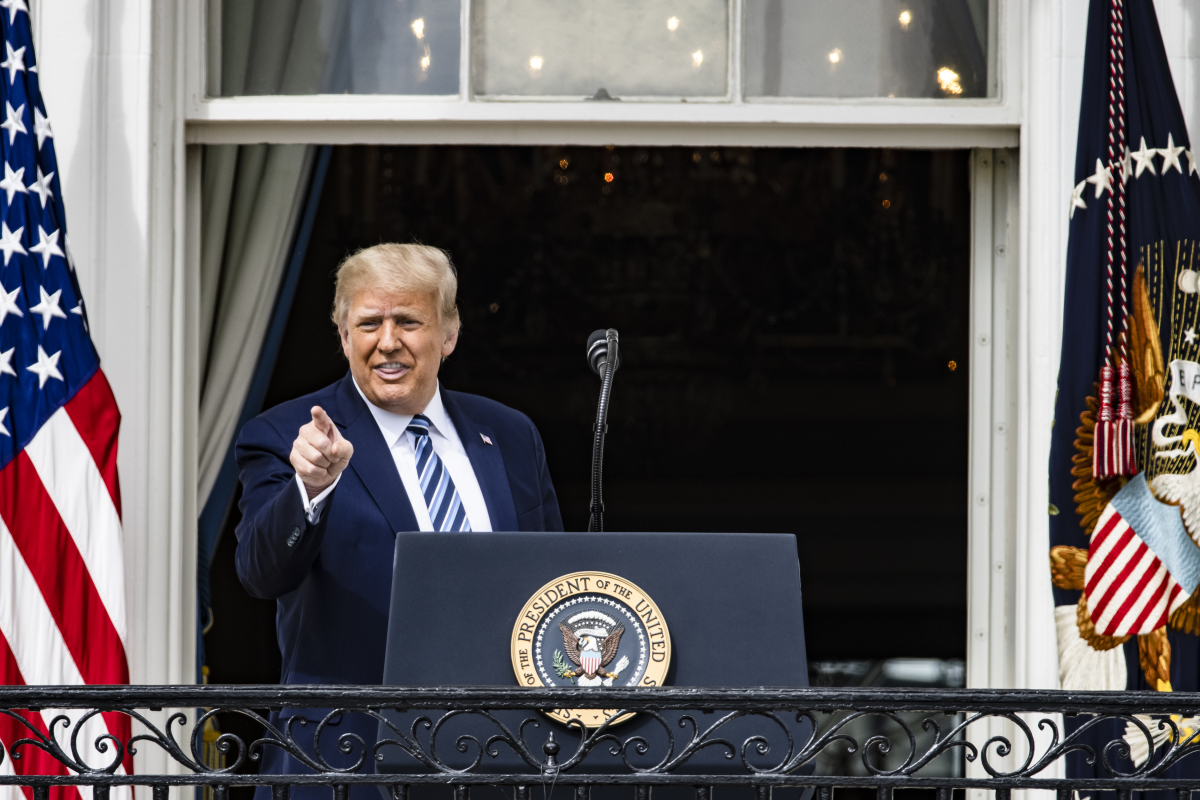
Mortgage rates declined on Friday, January 9, after President Trump proposed two new home affordability initiatives. Zillow reported the 30-year fixed mortgage rate at 6.05% before the announcements, dropping to 5.91% soon after, and reaching 5.89% on the following Monday.
One proposal aims to ban large investors, such as private equity firms and other institutional investors, from investing in single-family real estate. The president believes this would boost affordability for families, especially first-time home buyers.
The other initiative directs government-sponsored Fannie Mae and Freddie Mac to purchase $200 billion in mortgage bonds. The president stated that these bond purchases would lower mortgage rates.
Presidents do not have the authority to set industrywide interest rates or legally require lenders to set rates in a certain manner. However, these recent proposals caused the bond market to take notice.
Policies impacting home prices, housing, or supply and demand can influence mortgage rates. When home-buyer demand or housing prices are high, mortgage lenders often increase rates. When demand is low or supply is oversaturated, they may lower rates to attract more business.
Potential policies affecting supply and demand include tariffs, homebuilding initiatives, home-buying incentives, and affordable housing initiatives. Even seemingly unrelated policies, such as immigration policies, can indirectly affect mortgage rates by impacting labor availability or costs for homebuilders.
The Federal Reserve also plays a significant role in interest rates. The federal funds rate serves as the foundation for most consumer interest rates. When the Fed increases this rate, rates on consumer products, including mortgages, tend to rise. When it falls, consumer rates often follow.
The president nominates the Fed’s chair and members of the Fed’s Board of Governors. Although the Senate must confirm these nominations, this grants the sitting president some influence over interest rates.
Another key influencer is the 10-year Treasury yield. Long-term mortgage rates typically move in the same direction as this yield. The president does not directly influence the Treasury yield, but moves by Fed appointees and public statements can affect investor sentiment.
If investors fear economic trouble, they may buy government bonds, increasing demand for Treasurys and lowering yields. A stable economy and strong financial security can have the opposite effect, drawing investors away from Treasurys and into riskier investments, causing Treasury rates to rise.
The president’s economic policies, such as tax cuts or increases, also impact mortgage rates by affecting Americans’ pocket money and contributing to inflation. Other policies, like tariffs, influence consumer prices and spending, affecting the U.S. inflation rate.
When inflation is high, the Fed tends to increase rates to reduce economic activity. When inflation is low, it may opt for rate cuts to encourage borrowing and money flow into the economy.