
Nvidia, with a market capitalization of $4.5 trillion, is currently the world's largest company. The chipmaker achieved this position by delivering superior products across various sectors, including video game graphics, cryptocurrency mining, and generative artificial intelligence.
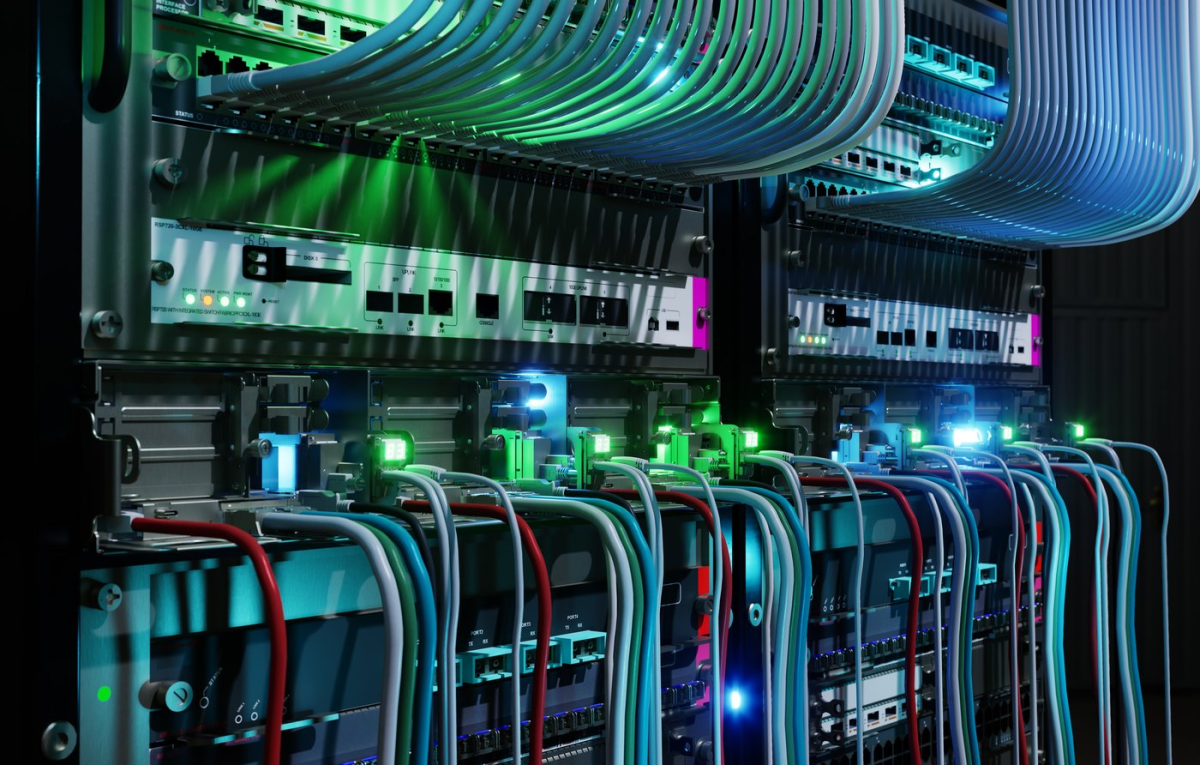
In the third quarter, Nvidia's revenue increased 62% year over year to $57 billion. This growth was primarily driven by its data center segment, which accounted for approximately 90% of total revenue. The segment sells advanced graphics processing unit systems, data processing units, and networking hardware for running and training AI models.
Goldman Sachs analysts project that major AI and cloud computing companies will spend over $500 billion on data center hardware in 2026. Nvidia is expected to capture a significant share of this spending. The company benefits from its CUDA programming interface, which allows developers to optimize performance on Nvidia hardware.
However, Nvidia's heavy reliance on the data center business presents a diversification concern. The company's largest customers include Alphabet, Amazon, and Microsoft. These tech giants are unlikely to accept Nvidia's high gross margins, which exceed 70%, indefinitely. They have strong incentives to develop their own chips for internal use and to compete in the broader chip market.
Nvidia is a fabless semiconductor company; Taiwan Semiconductor Manufacturing produces most of its hardware. This manufacturing arrangement means Nvidia does not control chip production. Competitors or customers can design custom chips, potentially with partners like Broadcom, and have them manufactured by foundries such as TSMC.
OpenAI, the creator of ChatGPT, has begun using Alphabet's TPU chips in some data centers. Anthropic, a rival to ChatGPT, utilizes hardware from Nvidia, Google, Amazon, and other providers.
Nvidia's stock trades at a price-to-earnings multiple of 24, below the Nasdaq-100 average of 26. This valuation discount may reflect market concerns about the company's dependence on the AI data center market. For long-term success, Nvidia may need to pivot to emerging technologies like self-driving cars, robotics, or quantum computing if the generative AI boom slows or competition intensifies.