
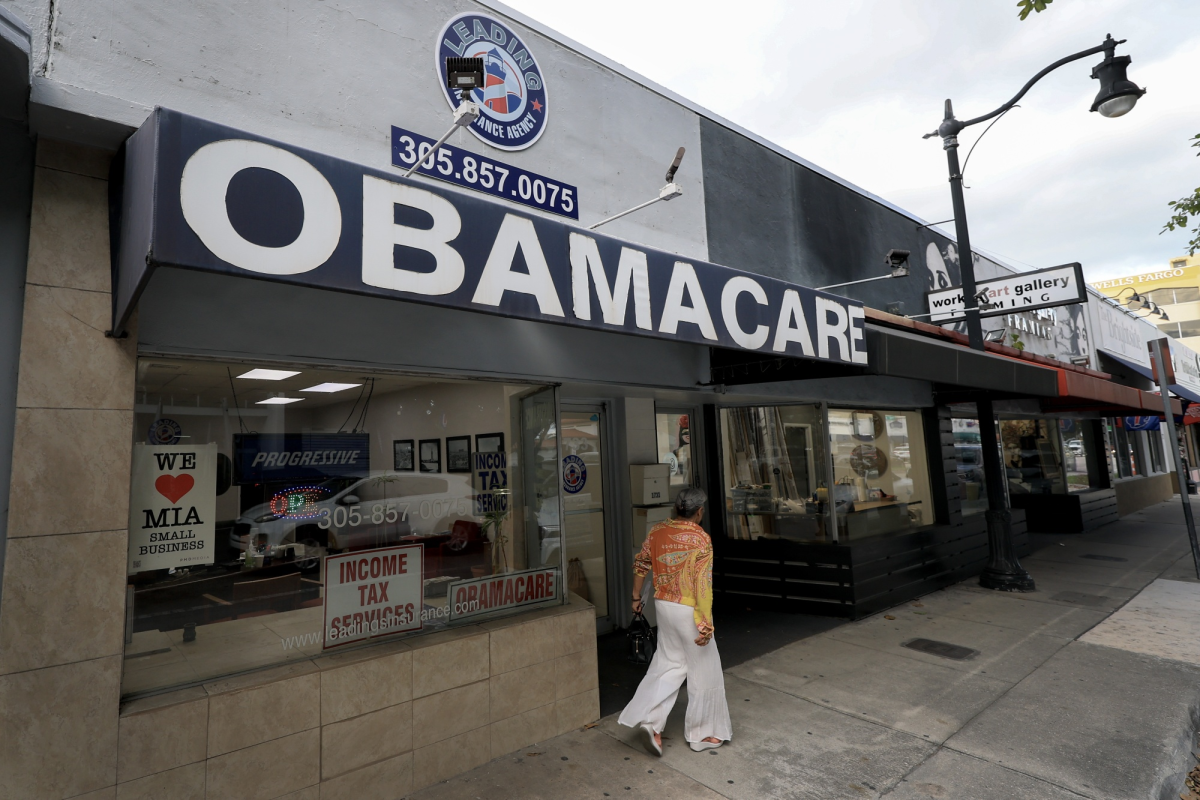
Today is the final day for Americans to enroll in health insurance plans under the Affordable Care Act, commonly known as Obamacare. Lawmakers in Washington remain deeply divided over whether to restore federal subsidies that have expired, a failure that could cause premiums to more than double on average for over 20 million people.
Senator Bernie Moreno, a Republican from Ohio who is attempting to broker a bipartisan compromise, stated, "Time's not our side." He said lawmakers aim to reach a deal and pass it by month's end.
Data released this week by the Centers for Medicare and Medicaid Services showed enrollment was down by approximately 1.4 million compared to the same period last year. Experts anticipate further declines as individuals confront higher costs and may cancel their coverage.
Without an agreement, analysts estimate nearly 4 million people could lose insurance over the next decade. This poses challenges for insurers and the broader healthcare system, which may face increased costs from treating uninsured patients.
Cynthia Cox, a vice president at the nonpartisan health care research organization KFF, warned that delay complicates a resolution. "The farther away you get from open enrollment, the harder it is to get people to come back and shop again," she said.
While January 15 is not considered an absolute deadline for coverage decisions, it will become more difficult to enroll those who initially forgo insurance.
The effort to revive the pandemic-era tax credits has energized Democrats, who have positioned the subsidies as central to their midterm election messaging on affordability. Some swing-district House Republicans, like Brian Fitzpatrick of Pennsylvania, recently broke with party leadership to help pass a three-year subsidy extension in the House. A similar vote failed in the Senate, where negotiations have stalled over disagreements regarding abortion coverage.
Senator Jeanne Shaheen, a key Democratic negotiator from New Hampshire, said this week that lawmakers were "not there yet" on language concerning abortion coverage.
Senator Moreno indicated that Senate negotiators broadly agree on a framework for a two-year subsidy extension. This framework would include an income cap and minimum monthly premiums, and could allow consumers to direct subsidies into health savings accounts next year. The deal would also reopen enrollment until March 1.
Cox noted that a straightforward extension of the existing credits would be the quickest to implement, potentially "within a few weeks." She likened the process to "flipping a switch." However, other proposed changes, such as imposing a minimum premium or new abortion restrictions, would take more time and could face legal challenges.
President Donald Trump has further complicated the situation by threatening to veto any extension and promising to unveil a separate plan to address healthcare costs.
Insurers heavily involved in the Obamacare marketplace include Centene Corp., Molina Healthcare, and Oscar Health Inc. Other major insurers like UnitedHealth Group Inc., Elevance Health Inc., and the Cigna Group also sell plans that could be affected by lower enrollment.