
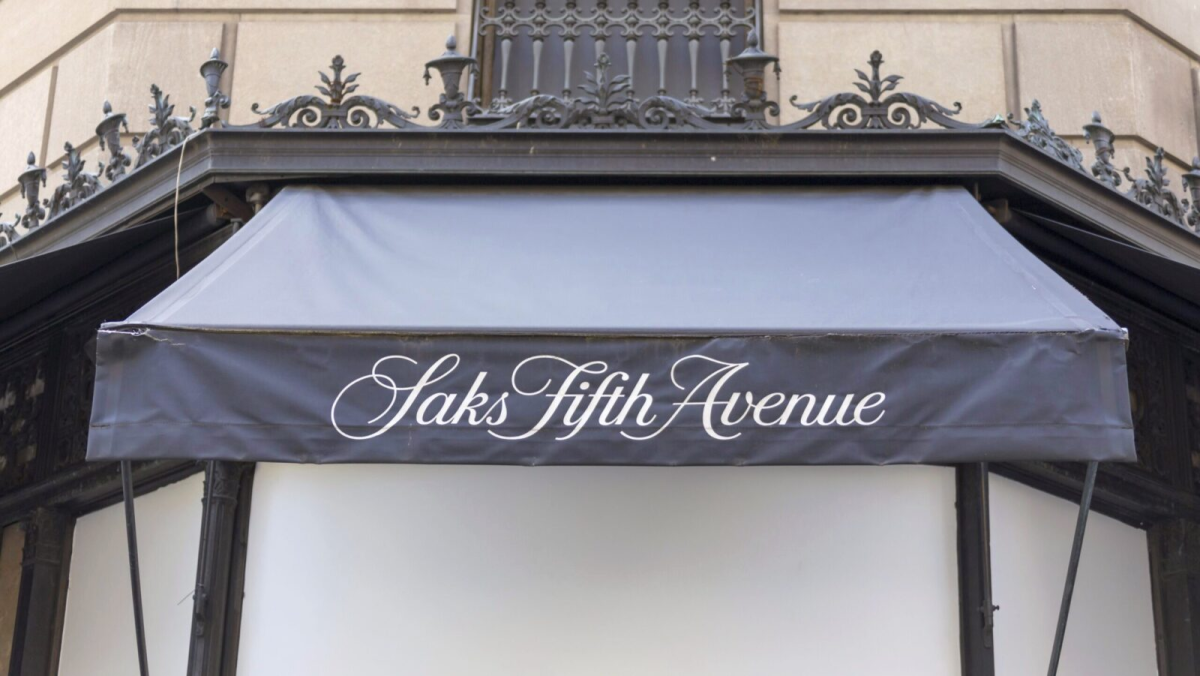
Saks Global, the parent company of Saks Fifth Avenue, Neiman Marcus, and Bergdorf Goodman, filed for Chapter 11 bankruptcy protection on Wednesday. The company stated it secured $1.75 billion in financing to keep stores open and named a new CEO.
Whether this financing will lead to a long-term recovery for Saks remains uncertain.
In December, Saks missed an interest payment related to its debt-fueled merger with Neiman Marcus. Since taking on billions in debt in 2024 to acquire Neiman Marcus, Saks accumulated past-due bills from vendors and brands, according to The Wall Street Journal. Vendors withheld stock, leaving shelves sparse for shoppers seeking the latest trends. As the department store brand's stock dwindled, sales declined.
Saks follows former rivals like Barneys New York and Lord & Taylor in filing for bankruptcy, but the luxury sector is not entirely unraveling. Luxury sellers such as Saks face increased competition from online outlets, including brands' own direct-to-consumer sites. Prada sales rose for 19 consecutive quarters as of this fall, driven by the Gen Z-favorite Miu Miu line, with most sales coming from its own stores and website.
Bloomingdale's has avoided bankruptcy and online competition challenges. Bloomingdale's and makeup seller Bluemercury boosted sales in the fall quarter for parent company Macy's, which has opened new stores for both brands and expanded Bloomingdale's luxury goods inventory.
Last year, over 8,000 retail stores closed, a 12% increase from 2024, Coresight Research found. If Saks survives its slump, it may reduce its store count. The company is evaluating its operational footprint, which includes 33 Saks stores, 70 Saks Off 5th stores, two Bergdorf Goodman locations, and 36 Neiman Marcus stores. The Neiman Marcus and Saks merger aimed to create a shopping superpower but may have burdened Saks with additional challenges.