
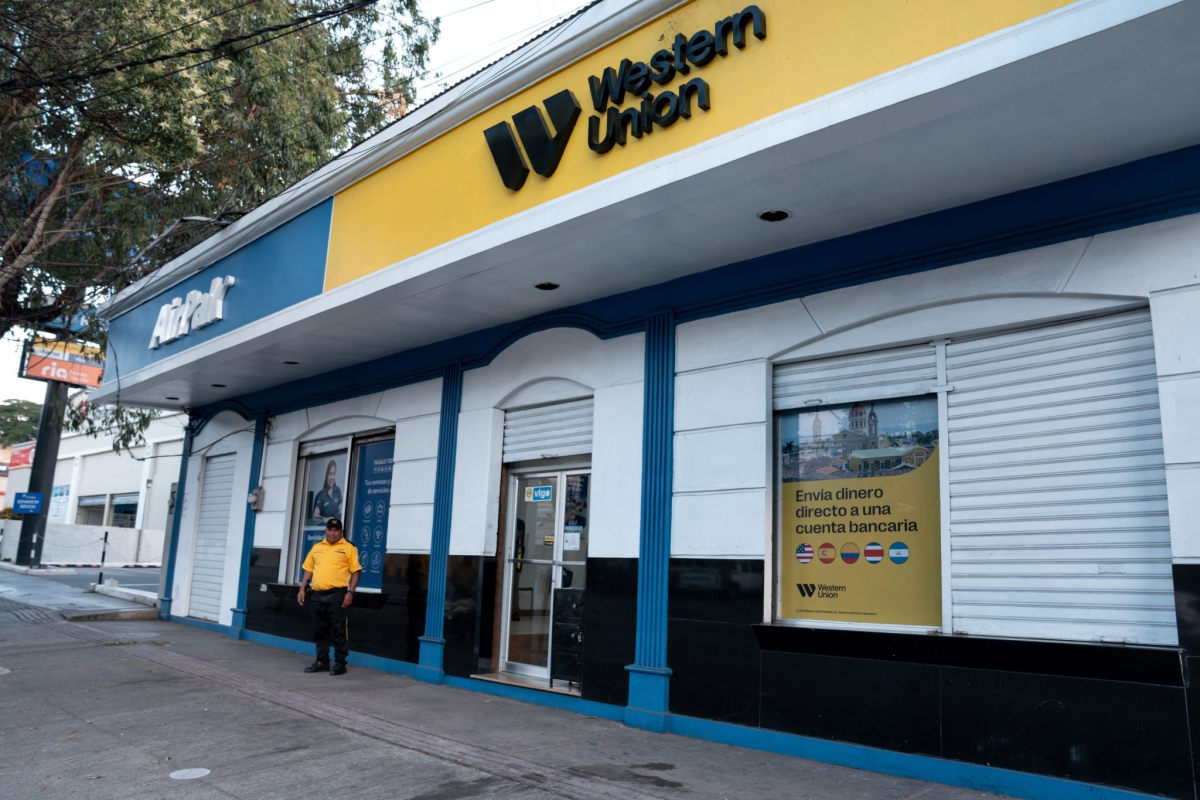
Workers worldwide send about $900 billion to their families annually, and the market for moving that money is now shifting. Stablecoins provide a low-cost alternative to traditional transfer systems, which can charge fees up to 6%.
These digital tokens, backed by reserves to maintain value against currencies like the dollar, were once mainly used by crypto traders. Now, millions of ordinary people access them through digital wallets. This raises a key business question: which companies will lead the stablecoin trend?
Will it be established remittance firms like Western Union or MoneyGram? Or crypto-native companies such as Kraken or Coinbase, or fintechs like PayPal entering the space?
Experts note that both traditional players and newer entrants have distinct advantages and challenges in this emerging industry.
Cross-border money transfers often incur high fees. A World Bank report earlier this year found average remittance fees exceed 6%. This burden particularly affects low-income immigrants sending funds to developing countries.
"People are spending extraordinary sums to send money abroad," said Yesha Yadav, a Vanderbilt University law professor specializing in financial regulation. "This impacts how much the most cash-strapped and vulnerable people have in their pocket because some middle person is taking money for no good reason."
Stablecoins, leveraging blockchain technology, enable faster and cheaper international payments. The International Monetary Fund recently discussed how this digital currency could improve payments and global finance.
Since President Donald Trump signed the Genius Act in July, establishing a regulatory framework, stablecoins have gained priority in finance. Major remittance players like Western Union and PayPal have since developed their stablecoin offerings.
For widespread stablecoin adoption in remittances, traditional firms like Western Union benefit from existing global customer bases and established regulatory compliance across countries. Nate Svensson, a senior equity research analyst at Deutsche Bank, noted that such companies have developed international compliance over decades or centuries.
"I think [Western Union] has a lot of built in advantages relative to these nascent crypto players," he said.
Another analyst, Brett Horn from Morningstar, also suggested traditional remittance brands may lead due to long client relationships. Regarding crypto startups focused solely on stablecoin remittances, he said, "A lot of times it sounds really good, but I think, frankly, [these startups] are waving away some real difficulties that they might have."
Crypto-native companies, however, excel in technological familiarity and agility. In contrast, firms like Western Union may struggle to shift from entrenched business practices familiar to both the company and its customers. Adding stablecoin transfers alongside existing fiat systems creates internal competition.
"They’re competing with themselves, and that’s just a natural disincentive for things to change," said Jessica Wachter, a finance professor at The Wharton School, about legacy remittance players. "A startup would be basically all in on [stablecoins], whereas I’m not sure a [Western Union] would be all in on it."
Beyond legacy institutions and crypto startups, larger crypto companies like Kraken are also competing. Kraken's app allows users to send and receive funds across over a hundred countries.
Regulation for stablecoins remains relatively new since the Genius Act was signed in July, and technology development is still early. Yesha Yadav believes stablecoins will grow more popular this year as consumer protection rules solidify.
"I think stablecoins have an enormous runway to expand their footprint," she said.