
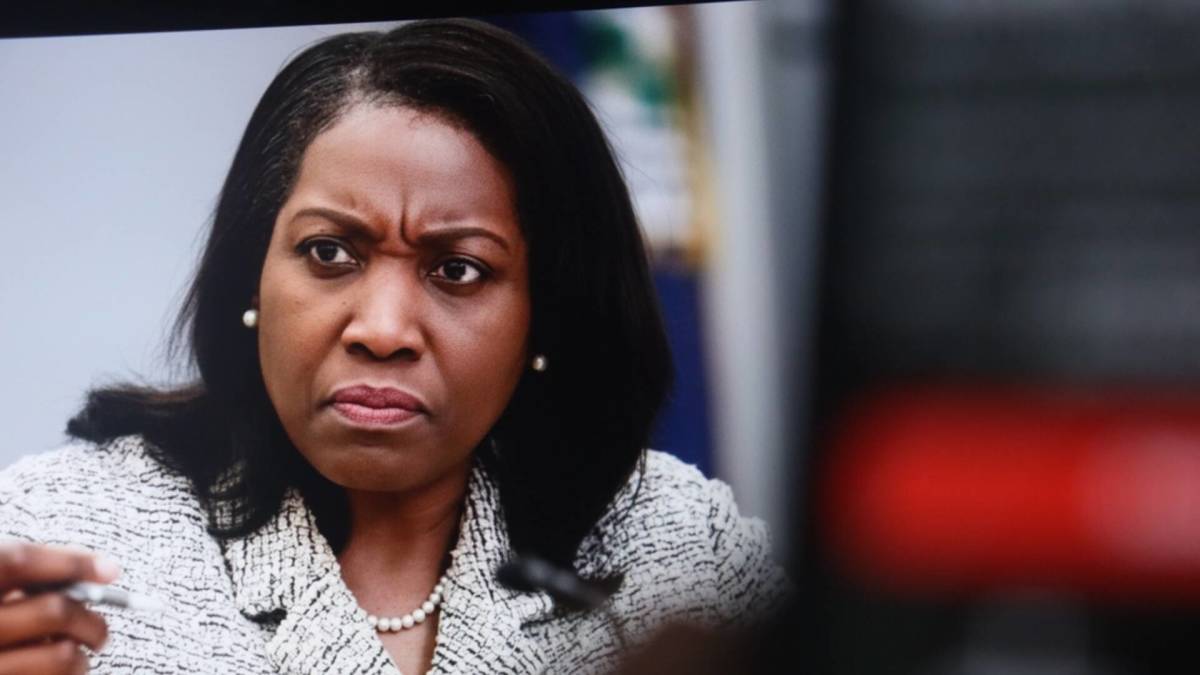
The U.S. Supreme Court is hearing arguments this week on whether President Donald Trump can remove Federal Reserve Governor Lisa Cook from her position. The president cited unsubstantiated allegations of mortgage fraud as cause for dismissal.
The case raises questions about whether the executive branch could turn the central bank into a political instrument, ending its traditional separation from partisan influence. Investors and economists worldwide have expressed concern that such a shift might disrupt interest rates, inflation, and the value of the dollar.
Cook's hearing on January 21 follows closely after Fed Chair Jerome Powell disclosed that the Department of Justice served him with subpoenas regarding renovation costs at the Fed's Washington headquarters. Powell described the criminal investigation threat as a "pretext" linked to the president's prolonged calls for sharply lower interest rates.
"The Powell subpoenas undermine the administration's contention that this is all about Lisa Cook's conduct and not about her votes on monetary policy," Columbia University law professor Lev Menand told The New York Times. He added, "It all tends to suggest that the goal here is to take over the Fed."
If Trump succeeds in ousting Cook, his appointees would gain a majority on the Fed's board, granting the administration more sway over interest rate and banking regulation decisions, the Associated Press reported.
"The door is open," former Cleveland Fed President Loretta Mester, now an adjunct professor at the University of Pennsylvania's Wharton School, told Reuters. "The question is how does it get resolved in a way that does not allow whoever is in the president's office to just decide, okay, I don't want that person, I will accuse them of doing something, and that is enough," she said.
A Supreme Court ruling in May indicated the Fed might be exempt from executive privilege to fire agency leaders because it is a "uniquely structured, quasi-private entity."
Jon Faust, a former top adviser to Powell and former Fed Chair Janet Yellen, expressed concern to Reuters. Given the court's past support for the Trump administration on other matters, he worried that even if Cook keeps her job, the case could erode the Fed's protection from political pressure.
President Trump and his allies have repeatedly urged the Fed to slash interest rates since last year, aiming to avert stagflation, recession, and reduce national debt payments. The Fed initially maintained a cautious stance, with Powell stating steady rates were wise to monitor tariff inflation effects on supply chains. It later cut the benchmark rate three times in a row as labor market data softened.
Trump has persistently criticized Powell, demanding rates drop to 1% or lower and once considering firing him. The president has not relented. Powell's chair term ends in May, and Trump has said his replacement must favor lower rates.
Cook, the first black woman to serve as a Federal Reserve governor, was appointed by President Joe Biden to a term lasting until 2032. In August 2025, Trump ally William Pulte, director of the Federal Housing Finance Agency, publicly accused Cook of falsifying records to secure a better mortgage rate before her Fed appointment. Trump then fired Cook "for cause," the sole grounds for removing a sitting governor.
Cook denied the allegations and sued to keep her seat. Two federal judges ruled in her favor before the Justice Department appealed to the Supreme Court.
Powell plans to attend the Supreme Court session, the Associated Press reported on January 19. He has stayed apart from the case, with the Fed stating it will follow the court's ruling. Cook remains a governor and voting member of the Federal Open Market Committee.