
In late November 2025, Apple joined an exclusive group of companies valued at four trillion dollars. This milestone follows similar achievements by Nvidia and Microsoft earlier in the year, highlighting a surge in valuations for technology firms focused on artificial intelligence.
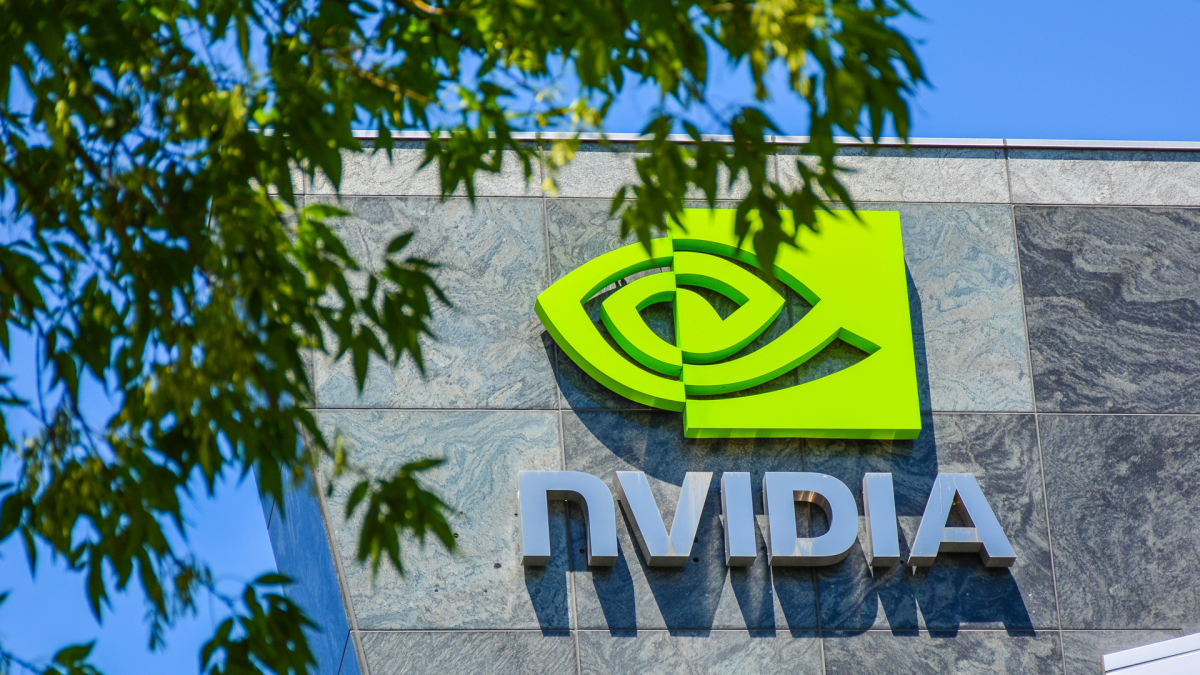
Nvidia became the first company to exceed $4 trillion in market capitalization in July 2025, according to CompaniesMarketCap. Its position stems from supplying the hardware essential for modern AI systems. Data centers, machine learning models, autonomous systems, and enterprise AI platforms rely on Nvidia's chips. Demand for its GPUs has outpaced supply, giving the company strategic control in the global AI hardware market.
As of November 26, 2025, Nvidia trades at around $177 per share. The stock remains volatile, but investors continue to view it as a critical player in the AI supply chain.
Microsoft reached the $4 trillion level a few weeks after Nvidia, though it currently sits slightly below that figure. The company's growth is attributed to its enterprise software, cloud computing services, and advancements in artificial intelligence. Microsoft has integrated AI tools across Azure, Office, GitHub, and various business applications. It also holds a significant stake in OpenAI, the parent company of ChatGPT. With its established corporate software infrastructure, any AI service improvements can quickly scale to millions of users.
Microsoft trades at $485.50 per share as of November 26, 2025. The company is considered highly profitable and well-positioned for future growth, particularly in cloud-based AI systems.
Apple's valuation reflects consistent consumer demand, strong brand power, and a vast ecosystem of services and hardware. Recent iPhone models have performed well, contributing to solid profitability and stable cash flow. This has maintained investor confidence in Apple stock, which trades at $277.55 per share as of November 26, 2025.
For investors evaluating these companies, Nvidia is seen as the most attractive for long-term growth, given its central role in the global AI expansion. Risks include supply constraints, competition from custom chips, and geopolitical factors, but the growth outlook remains compelling.
Microsoft is viewed as a balanced choice, offering consistent revenue, diversified business lines, and strength in both cloud computing and AI software. It is considered a strong long-term hold for those seeking stability and growth potential.
Apple requires a different approach. The company is financially robust, but its growth depends on introducing new product categories or making more decisive moves into AI. Without such developments, Apple is better suited for investors prioritizing stability over dramatic stock price increases.
Looking ahead, companies leading in AI infrastructure, cloud ecosystems, and global software platforms are expected to dominate market influence and valuation. While $4 trillion may seem high, more companies are likely to reach this threshold in the coming year. Google recently crossed the $4 trillion mark on January 12, and Amazon, currently valued at $2.53 trillion, could rise with strategic business moves and increased focus on AI.