
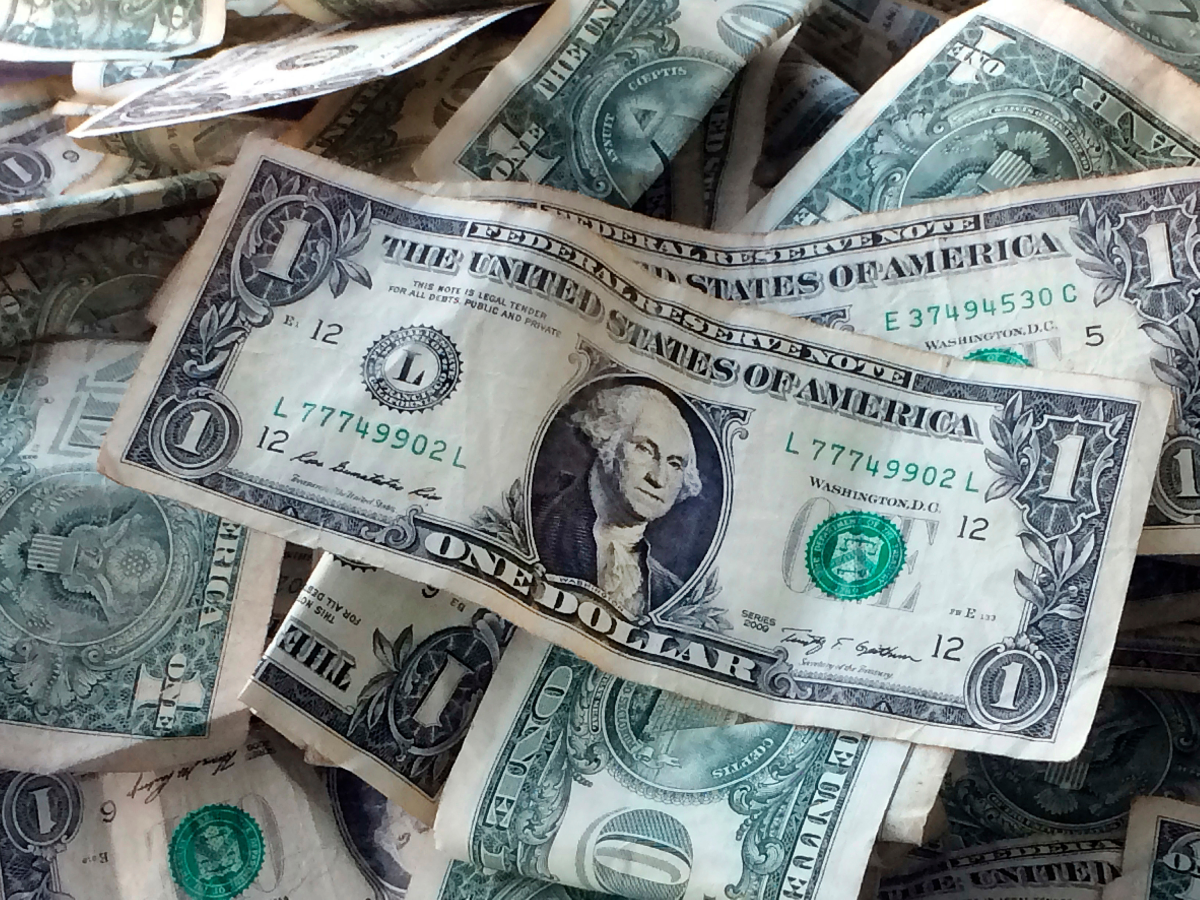
GENEVA (AP) — UEFA has reported a financial loss of approximately $55 million attributed to the decline in the U.S. dollar's value last year. The organization detailed this outcome in its annual financial report released on Thursday.
The dollar weakened by nearly 9% against a basket of foreign currencies in the initial months of 2025. Economists have associated this drop with diminishing investor confidence in the United States following the return of President Donald Trump to office in January.
UEFA explained that "economic, market and geopolitical dynamics" and a "sudden weakening of the U.S. dollar" led to foreign exchange losses. These losses were recorded in its accounts for the 2024-25 soccer season.
"In the past few years, UEFA benefited from a strong U.S. dollar leading to substantial gains on foreign exchange," the governing body stated in its 52-page report. The document did not mention Trump by name.
"In March 2025, however, the tides turned, and the U.S. dollar rapidly weakened by almost 9%, resulting in currency exchange losses of 47 million euros," the report said. This amount was equivalent to $54.5 million based on Thursday's exchange rate.
This sum nearly matched the overall net result of minus-46.2 million euros ($53.6 million) in UEFA's latest annual accounts. The deficit was financed from the organization's reserves.
The dollar-driven losses reduced UEFA's reserves to 521.8 million euros ($605 million) by the end of June last year. This level remains just above the 500 million euros threshold UEFA aims to maintain to ensure funding for its 55 member federations and to organize national team competitions across all age groups.
While UEFA-organized club tournaments such as the Champions League generate billions each season, most of this revenue is distributed as prize money and does not contribute to profits for the Switzerland-based organization.
The men's European Championship, held every four years, significantly boosts UEFA's reserves. The 2024 edition in Germany earned about 2.5 billion euros. This income supports the main funding program called "HatTrick," which provides member federations with double the annual amount they receive from FIFA.
UEFA noted in its financial report that it "needs to hold a big U.S. dollar position to back outstanding hedge transactions." Consequently, when the dollar's value began falling a year ago, "substantial losses were inevitable."
"The foreign exchange result had been consistently positive for several years, but this unfortunately changed in spring 2025 when the U.S. dollar suddenly weakened for various reasons, including economic, market and geopolitical dynamics," the UEFA document stated.
UEFA acknowledged a "disappointing" outcome for its asset management last year. This contrasted with a "very exceptional 2023-24," which was the last full financial year under the previous U.S. administration.