
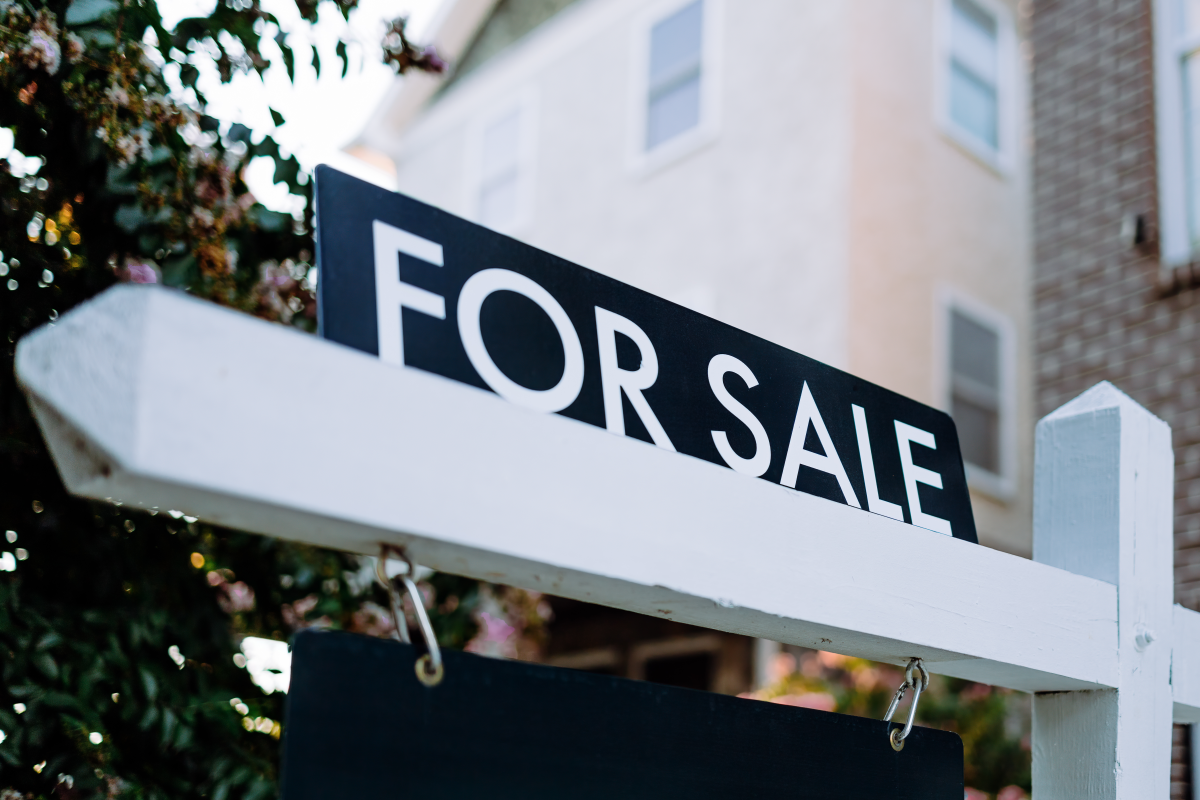
As 2026 starts, the U.S. housing market is experiencing several changes. Mortgage rates have reached their lowest point in more than three years. In some areas, home values are declining, sellers are reducing asking prices, and properties are staying listed for longer periods.
According to the Realtor.com December 2025 Housing Market Trends Report, the real estate market appears more balanced compared to a year ago. Active listings increased by 12.1% since December 2024. The national average of homes with price reductions was 12.9% in December, with the Northeast seeing the fewest cuts and the South the most.
The median number of days homes remained on the market rose to 73 days in December. That is four days longer than the same time last year and nine more days than in November.
Freddie Mac reported the highest mortgage rate in 2025 was 7.04%. Rates have recently been in the low-6% range, with the average 30-year fixed rate currently at 6.06%. The Federal Reserve cut the federal funds rate on Dec. 10, but historically such moves do not directly lower home loan rates. Mortgage rates could decrease if factors around tariffs and politics lead to a lower 10-year Treasury yield.
Zillow research indicates that 45% of first-time home buyers who shopped with multiple mortgage lenders obtained a better rate. More than half of borrowers, 56%, only get a preapproval from one lender.
New home construction continues to face challenges. Builders remain cautious due to concerns about tariffs and rising material costs. National Association of Home Builders Chief Economist Robert Dietz stated that a weaker labor market and financial pressure on consumers will lead to weak construction market sales.
"After a decline for single-family housing starts in 2025, NAHB is forecasting a slight gain in 2026 as builders continue to report future sales conditions in marginally positive territory," Dietz said in a release.
Zillow predicts the slowest year for single-family construction since 2019, citing a large inventory of new homes already built and more underway. The NAHB reported 41% of builders cut prices in November, a post-COVID record high.
Personal factors are critical when considering a home purchase. A conventional mortgage typically requires a FICO Score of 620 or better. FHA loans can allow a credit score as low as 580 with 3.5% down. VA loans for qualified military service members and veterans do not have an official minimum credit score, though some lenders require 620.
The median credit score on a new mortgage in the second quarter of 2024 was 772, according to the New York Federal Reserve.
Lenders use debt-to-income ratio to assess creditworthiness. Fannie Mae looks for a maximum total DTI ratio of 36% of the borrower’s stable monthly income, with exceptions allowing up to 50%.
According to Realtor.com, the median down payment in the fourth quarter of 2024 was 14.4%. A minimum down payment of 3% is required for a conventional loan targeted at first-time home buyers, with 20% ideal to avoid private mortgage insurance. Zero-down options exist for eligible VA- or USDA-backed loans.
Zillow notes that first-time buyers are more likely to contact at least three lenders and three real estate agents compared to repeat buyers.