
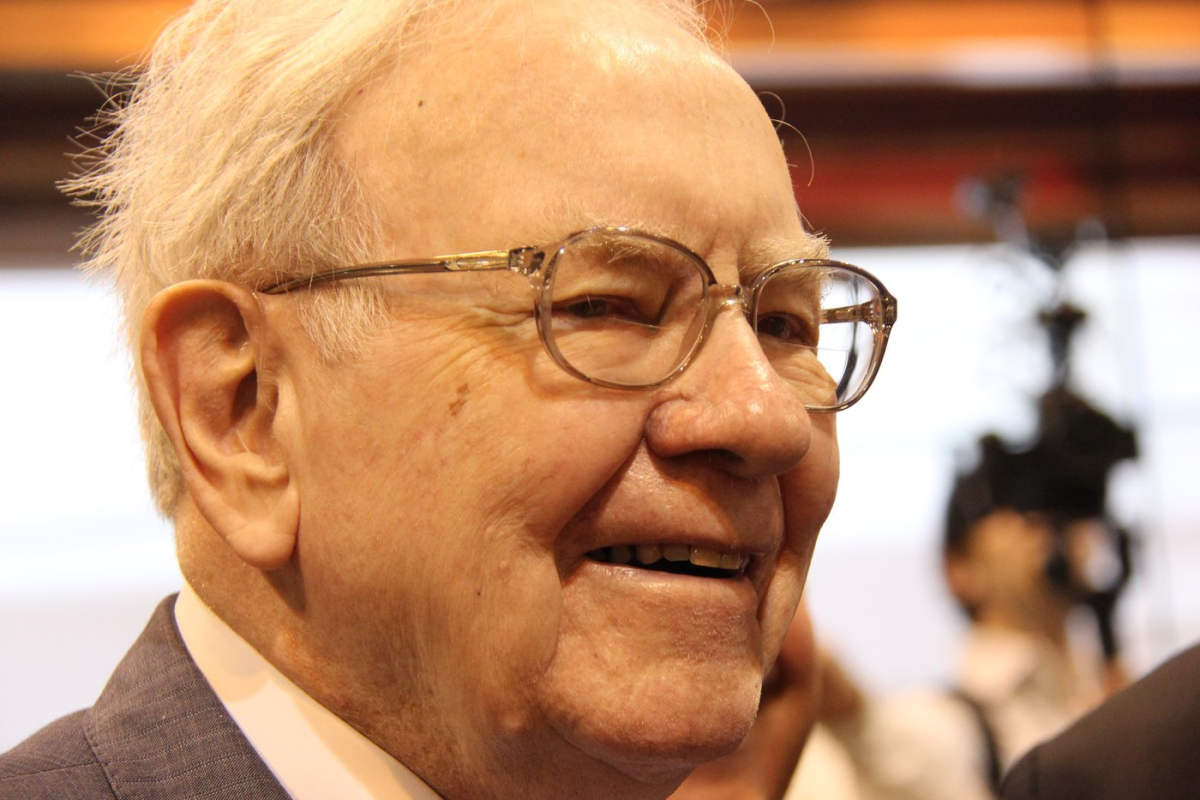
Warren Buffett, known as the Oracle of Omaha, has long advised most investors to simply buy the S&P 500 index and hold it indefinitely. He recently stepped down as CEO of Berkshire Hathaway, but his investment guidance remains widely cited.
Two exchange-traded funds that track the S&P 500 are the Vanguard S&P 500 ETF and the Invesco S&P 500 Equal Weight ETF. The Vanguard fund has an expense ratio of 0.03%, which is among the lowest available. The Invesco fund uses an equal weighting methodology instead of market-cap weighting.
The S&P 500 index is designed to track the U.S. economy, not the stock market directly. It includes around 500 large U.S. companies across major industries. A committee selects the components based on their economic significance, not necessarily their performance.
A key feature of the standard S&P 500 index is its market-cap weighting. This means the largest companies have the greatest impact on the index's performance. Currently, technology stocks represent about 35% of the index, more than double the next largest sector.
For investors concerned about this concentration, the Invesco S&P 500 Equal Weight ETF provides an alternative. In this fund, each company has equal weight, resulting in a more balanced sector allocation. Technology makes up 13.5% of assets in this ETF, behind industrials and financials.
The Invesco fund has a higher expense ratio of 0.20% compared to Vanguard's 0.03%. It also offers a slightly higher dividend yield of 1.6% versus 1.1% for the Vanguard ETF.
Both ETFs trade for more than $100 per share, with Vanguard around $650 and Invesco near $200. Many brokers allow fractional share purchases, so investors can start with $100. Buffett's advice is to hold such investments forever and add to them regularly.
The Motley Fool Stock Advisor service has identified 10 stocks it believes are better investments than the S&P 500 Index. Historical examples from their recommendations include Netflix and Nvidia, which generated substantial returns for early investors.
Stock Advisor reports a total average return of 968%, compared to 197% for the S&P 500 since its inception. Their latest top 10 stock list is available to subscribers.