
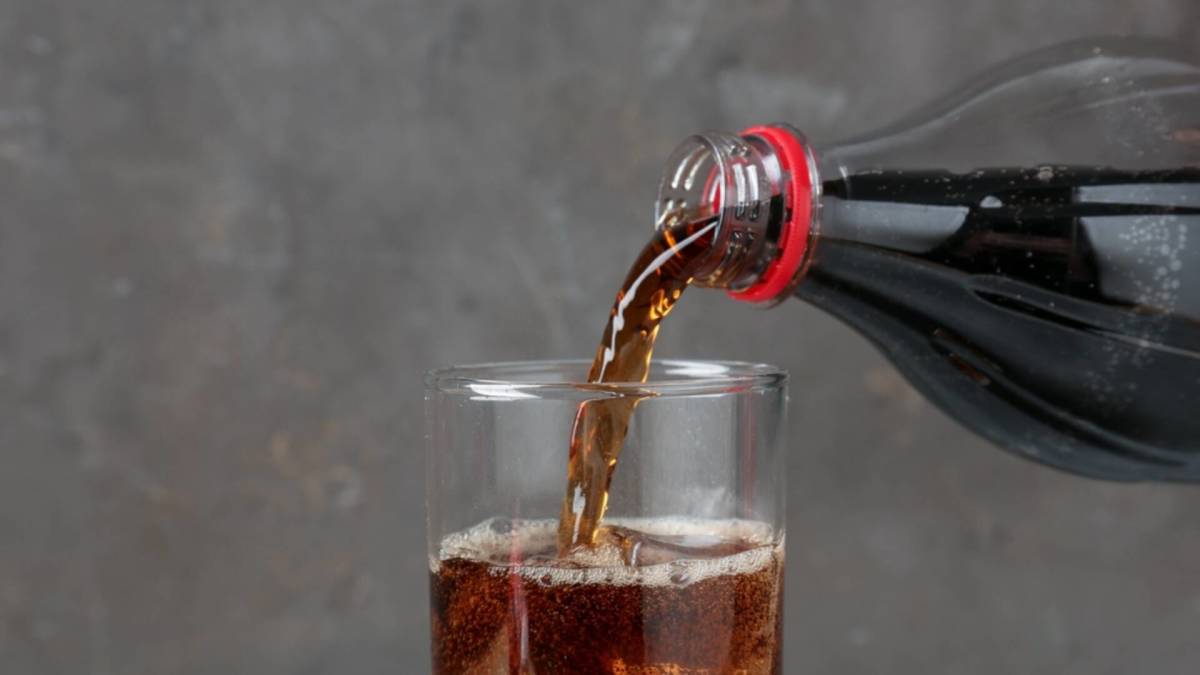
The World Health Organization reported that sugary drinks became more affordable in 62 countries in 2024 compared to 2022. Beer also grew more affordable in 56 countries during the same period, according to Reuters.
The WHO is calling for governments to implement higher "health taxes" on these beverages. Its "3 by 35" campaign aims to raise prices by 50% over the next decade, which it estimates could generate $1 trillion by 2035.
In the United States, several cities including Boulder, Philadelphia, and San Francisco have local excise taxes on sugar-sweetened beverages. A Boston University School of Public Health study found these taxes effectively reduced consumption.
Policy is moving toward taxes based specifically on sugar content rather than flat fees. The UK will remove an exemption for milk-based drinks and lower its sugar tax threshold starting in January 2028, a measure expected to raise up to £45 million annually.
The United Arab Emirates will transition to a sugar-tiered excise tax system in 2026. Drinks with less than 5g of sugar per 100ml will face no tax, while those with 5-8g will be taxed 0.79 AED per liter, and those with 8g or more will be taxed 1.09 AED per liter.
Coca-Cola reported that net sales rose 5% to $12.5 billion in the third quarter of 2025, with Coca-Cola Zero Sugar sales climbing 14% across all business areas. PepsiCo stated sales of Pepsi Zero Sugar increased more than 30.8% year-to-date in 2025.
A BMJ study on Mexico's soda tax found purchases of taxed beverages fell by roughly 6% in 2014. A UK study on the Soft Beverages Industry Levy also found the legislation led consumers to buy drinks with less sugar.