
NEW YORK — Retailers are increasingly looking to enhance their media networks, with some turning to an unexpected partner: Amazon. In January, Amazon launched its Retail Ad Service, allowing outside retailers to use its advertising technology to run campaigns and discover new media networks. This move has drawn attention as retailers seek to stand out in a competitive advertising landscape.
Michael Krans, vice president of Macy’s Media Network, spoke at the National Retail Federation’s Big Show earlier this week. "The immediate impact is a commercial one," Krans said. "What this helps us do is move beyond just [being] a retailer that’s serving ads. This positions us as a tech-enabled media solution to the community."
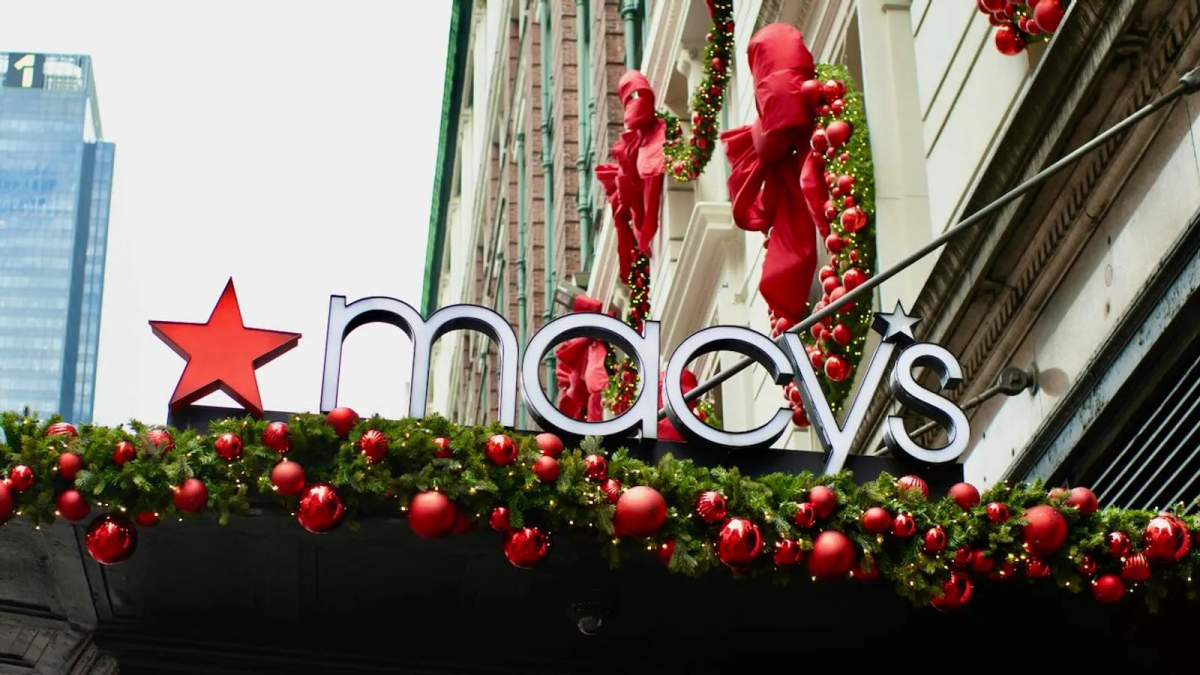
Macy’s Media Network, which includes the Macy’s, Bloomingdale’s, and Bluemercury brands, began a pilot with Amazon’s Retail Ad Service in August, just before the holiday period. Macy’s was described as the first major retailer to join the service, which also works with smaller and mid-sized companies like Tillys.
According to Krans, Macy’s Media Network has attracted over 175 new brands to its sponsored products offering since the partnership. The service has improved credibility and confidence for advertising with the network, leveraging Amazon’s strong ad-tech reputation. Many of Macy’s potential advertisers were already part of the Amazon ecosystem, creating a sense of consistency.
"I wanted to essentially remove friction from the ad-buying process," Krans said. "I wanted to give another option, another way for advertisers to easily execute media campaigns, specifically sponsored products, on Macys.com."
Traditional retailers may approach partnering with Amazon with caution. Amazon has stated that the Retail Ad Service, built on Amazon Web Services technology, includes controls to keep users’ data separate from Amazon Ads.
The retail media landscape is maturing, with over 200 networks estimated by industry sources. Advertisers are becoming more selective with their spending and seek partners that offer comprehensive services and reach. The initial rush in retail media has slowed, and consolidation concerns are pushing networks toward partnerships.
On the panel, Mike Feldman, senior vice president of commerce at the Omnicom agency Flywheel, advised retailers building networks: "It’s not ‘Field of Dreams.’ If you build it, it doesn’t necessarily mean that the advertiser dollars will pour in." The panel was moderated by an Amazon representative.
Collaboration between rivals on ancillary business functions is not new, as seen in the technology sector’s use of AWS. Retail media teams considering partnerships like Amazon’s Retail Ad Service must convince company leadership to embrace "coopetition," where potential business opportunities outweigh perceived risks.
"I had to work with leaders at Macy’s to gain buy-in on this," Krans said of the partnership. "We talked about, openly, this idea of coopetition: How two retailers can actually collaborate in one space — in digital media advertising — and then also compete in another space. Two things can be true."
Krans clarified that the Retail Ad Service does not operate on a "set it and forget it" model, where retailers rely entirely on Amazon. Retail media networks must still analyze advertiser needs and audiences to achieve optimal results. "You can't mistake the operational ease for strategic sameness," Krans added. "The brands and agencies may be very familiar with this platform, but you have to look at your own customer."
For Macy’s Media Network, the partnership with Amazon’s Retail Ad Service is not exclusive. The network continues to work with multiple sponsored product ad servers alongside the service. Krans expressed hope for broader adoption of the service, seeing it as beneficial for all involved. "I’m very hopeful that Retail Ad Service will bring on more and more retailers," Krans said. "That’s only good news for Macy’s. It brings more attention to the platform."